
This article is part of the ongoing Meditation for All challenge. Subscribers to the free newsletter receive weekly guidance and a daily practice.
1) Does the Place of Meditation Matter?
The place can affect our meditation practice, but it cannot make the practice better or worse. While a quiet place is ideal, a noisy place can increase our ability to maintain focus and peacefulness during chaotic times.
It is an extra challenge, no doubt, but challenges bring their own rewards. Wherever you can meditate is the best place to meditate.
Find a comfortable, quiet place to sit where you won’t be disturbed. It doesn’t have to be silent, but go wherever you can find that is the quietest. Many people like to dim the lights so that they can close their eyes comfortably. A chair, the floor with pillows, or even propping up in bed are all perfectly acceptable ways to sit.
Where Should One Not Meditate?
Do not meditate on a tightrope above an alligator pit. However, everywhere else is pretty much fair game. It’s certainly easiest and most pleasant to meditate in a quiet, dimly lit room.
Sitting on a few pillows on the floor or with your head propped up in bed are very comfortable ways to do it. Some people prefer a chair or couch. Whatever is best for you is best for you.
Some meditation instructors will tell you that it’s best to sit cross-legged on the floor with a straight back, neck, and head, leaning slightly forward as if we’re giving our full attention and focus.
For some people, this will feel too arduous and be more distracting than it is useful. Your own personal physicality and ambitions will determine your seating arrangement. As long as you don’t fall asleep (unless you’re meditating in the evening with the intention of falling asleep), you’re good to go.
I know some people who are so busy that they can only meditate on the bus or subway to and from work. This is also totally fine (as long as you’re not driving!). For some of these people, they find tuning out the noises and distractions actually heightens their meditation practice.
For others, they like to hang a do not disturb sign on the door of their meditation room so their family knows not to come in or be too loud. In short, wherever you are able to meditate consistently is the best place for you.
2) What Should I Wear for Meditation?
Luckily, there is no dress code for meditating. If you wear clothes, make sure they are comfortable when sitting down and not too tight. Your body may heat up or get cold, so don’t be dressed too warmly and be sure to have a blanket on hand just in case. It is not uncommon for your body temperature to rise in meditation.
If you like to go deeper, you may try meditating in all cotton or some other all-natural, or even organic, fabrics. These reconnect us to the earth and remind us of our oneness with all living things.
3) Should I Have a Goal Before Meditating?
We all have intentions and motivations for why we do what we do. It’s important to set your intentions consciously for your first meditation and to remember your motivations.
Focusing on your reasons for meditating will help you get through difficult times in your journey when you may not feel like meditating, in case you’ve had a setback of some kind, or if you’re having a particularly tough time in your life. The goals, reasons, intentions and motivations will be different for each person. They may include achieving greater patience or peace, greater relationships, less stress or anger, more focus or creativity, better health, and happiness.
Meditation doesn’t need to come with any motive or goal in mind. We may be driven to learn and practice meditation to quit an addiction or to become happier or more focused.
But even if it’s just curiosity, that’s a motivation. Something inside you made you wonder if there was more to life, if a greater level of happiness was possible, and if there was a deeper way to experience life.
Somewhere along the way, the idea got into your mind that there could be some use or benefit to better understanding your own mind. Whatever it was that sparked an interest in meditation in you, it was because you were not finding lasting happiness outside of yourself, and the idea of looking inside of yourself resonated with you on a very deep and unconscious level. We’re all called back to ourselves to find that true source of joy. Even our wild chimp cousins take a daily break from swinging to sit in stillness, peace and quiet.
The way we approach meditation is different from how we approach everyTHING else in our life. Meditation is the approach of noTHING. So, unlike the way we do everything else in life, in meditation, there is nothing to achieve. There is no future outcome that we desire. There is only the here and now. We do it for the sake of doing it. That is only in this way all the benefits of meditation can come.
4) What is the Right Approach to Meditation?
There is no natural process worthy of our fear. We were born into this perfect universe as a gift, not a trick. Life sprang forth in the universe in order to play, explore, and experience the universe. Each moment is a blessing and proof that we are miracles living in a miraculous universe.
If that feeling of awe and wonder ever gets lost in the weeds of our daily duties and responsibilities, the Buddha often reminds us to rest into the middle path. You can think of it as the Goldilocks path — not too hard, not too soft.
This doesn’t just apply to our daily responsibilites; it applies to our spiritual path as well. We don’t want to be so lazy in our meditation that we get no results, but we also don’t want to be so rigid that we either burn out or become so extreme that it becomes detrimental. We have to find the perfect balance between rigidity and leniency.
Next, we’ll explore the right meditation posture — whether you need to sit cross-legged, use a chair, or follow any specific rules.
The Meditation for All Challenge takes place in my newsletter, where I share:
• Weekly practices that accompany the reading
• Common difficulties and how to work with them
• Step-by-step instructions for meditation mastery
If you are reading this on the website, make sure you’re subscribed so you don’t miss the next step.
Can't Meditate?
Join the Meditation for All Challenge
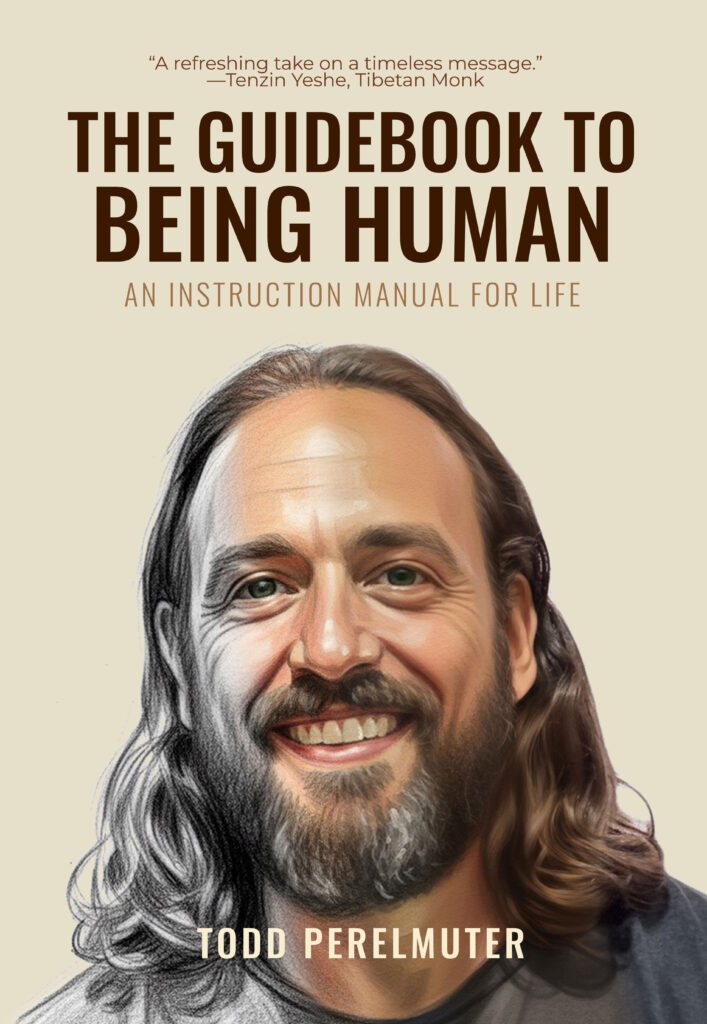
We will all go through loss, heartbreak, aging, financial setbacks, disappointment, tragedy, loneliness, uncertainty, and fear. But we are never taught how to survive these challenging periods of our life.
The Guidebook to Being Human: An Instruction Manual for Life, is Todd’s answer to the questions we all face. Now available on Amazon