
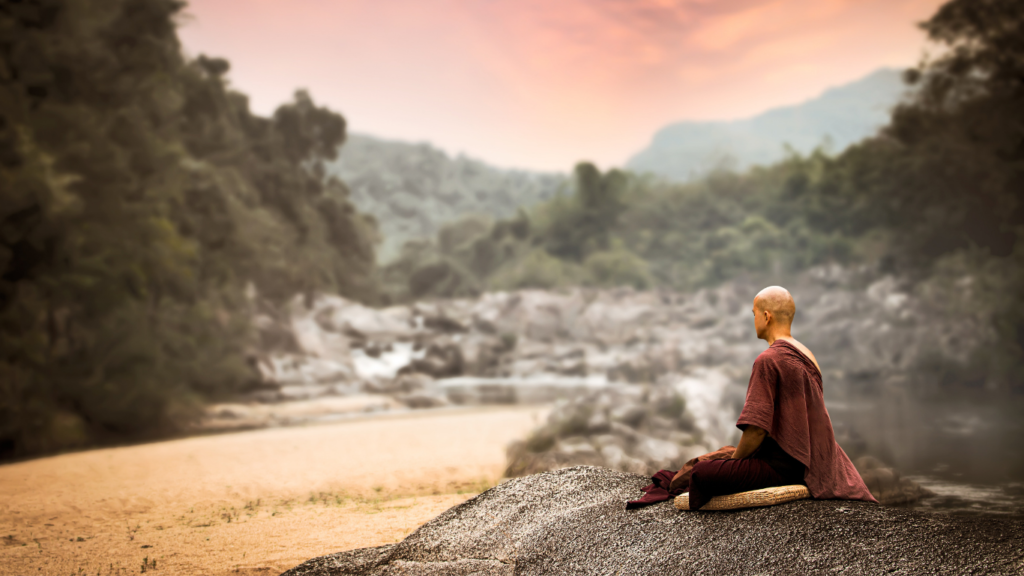
Meditation is an antidote to modern life, and more people are beginning to understand its value every day. Much of the world is either planning a shift or has already stepped into this transformative practice. However, there are a few key “don’ts” to keep in mind before beginning your journey.
How Not to Meditate: Is There a Wrong Way?
Many people ask if there’s a “wrong” way to meditate. While it brings a quick smile, the core answer remains consistent: meditating is like going to the gym. A little effort is always better than none, certain techniques yield different benefits, and as long as you don’t overexert yourself, you will gain positive results.
Different styles of meditation generate distinct outcomes. There are subtle pros and cons to every approach, and meditation is no exception. Below is an exploration of the pluses and minuses across the who, what, where, when, and why of meditation.
When Not to Meditate: Finding Your Optimal Time
Safety warning: Never attempt silent or inward meditation while operating heavy machinery. However, being fully present, focused, and alert behind the wheel or on the job is essential—and a regular meditation practice heightens that exact daily focus.
The best time to meditate is whenever you can consistently fit it into your daily schedule. Common effective routines include:
- Morning & Evening Sessions: One hour first thing in the morning sets a grounded tone for the day, while an hour at night helps clear mental clutter for restful sleep.
- 20-Minute Split Sessions: Practicing for 20 minutes after waking up and another 20 minutes right before dinner sustains a peaceful state of mind straight through the evening.
Scientific Insight
Neuroimaging studies confirm that just 20 minutes of daily mindfulness meditation creates lasting positive changes in brain structure. Harvard researchers found it significantly lowers stress and alleviates symptoms of depression.
Is There an Absolute “Best” Time of Day?
Eastern traditions often point to 4:00 AM as a prime window, citing a quiet atmospheric energy before the rest of the world wakes up and creates noise.
Ultimately, meditation is evaluated by how you feel during your active waking hours—not just the internal experience you have while sitting with your eyes closed. Test different times, stay within your comfort zone, and follow the Buddha’s advice: take the middle path.
Where Not to Meditate: Choosing Your Sanctuary
Aside from dangerous locations, almost anywhere is fair game for practice. A quiet, dimly lit room remains the standard choice, but posture and placement depend on personal needs:
- Cushions or Bed: Elevating the hips on a floor cushion or resting with head support in bed offers accessibility and comfort.
- Chair or Couch: Sitting upright in a standard chair prevents physical strain for those who find floor sitting arduous.
- Traditional Floor Posture: Cross-legged sitting with a straight spine and a subtle forward lean promotes active alertness.
As long as you remain awake (unless meditating specifically to transition into sleep), your posture is valid.
For busy schedules, meditating during a subway or bus commute works exceptionally well—tuning out external noise can actually strengthen mental focus. Others prefer placing a “Do Not Disturb” sign on a dedicated room door at home. The most effective location is simply wherever you can practice without breaking consistency.
You Are This Moment
Step off the wheel of overthinking and experience what happens when you finally let go of the noise. This award-winning film offers a powerful visual immersion into quiet awareness, inner stillness, and the beauty of being right here.
Who Should Not Meditate
If you’re always happy, peaceful, blissful, fully alert and aware, one with everything, pure love, and gratitude, without stress or a care or fear in the world, congratulations. You may just be the Dalai Lama or the second coming of Jesus.
If you’re like the rest of us though, meditation is probably for you. I have never met anyone who couldn’t benefit from being happier, more patient, more relaxed, more present or more focused in their lives. These days, it seems everyone is addicted to something, whether it’s caffeine, food, alcohol, tobacco, work, TV, the news, smartphones or even social media.
Becoming more mindful through meditation helps us break the unconscious habitual thought patterns and helps us live more consciously and thoughtfully.
In case you do suffer from any kind of mental health issues, or if meditation brings up disturbing thoughts or emotions, it is best to talk with an experienced meditation teacher or healthcare professional. However, for many people suffering from mental afflictions, meditation has been proven to be a safe and effective treatment. From OCD to ADD/ADHD and depression to anxiety, meditation addresses the root of the problem by heightening our awareness and improving our concentration. The more we observe the nature of the mind, the more conscious we become. The more conscious we are of our own mind, the less we unconsciously create mental suffering. Through meditation we can all become less stressed, more relaxed, more present, and more fulfilled in our daily lives.
What Kind of Meditation You Shouldn’t Do
Don’t meditate in a way that feels like such an enormous challenge that you give up on meditation after 2 minutes. Learn a few different types, try them out, and do the one that is best suited for you.
Some people like to listen to music or use meditation apps. Others like to be guided. Some people like to stare at a candle or a crystal. Some folks like to use a blindfold. While no type is bad, some are more beneficial than others. These kinds of meditation that rely on some external factor such as sounds or objects can become a crutch that we become dependent on after a while.
How to Walk Your Meditation Path?
For some people when starting out, they need a guided meditation or music in order to relax at all. But the most beneficial types of meditation make you the guru of your own mind. They allow you to do all the work so that you get all the benefits. This journey is all about you and only you can take yourself where you need to go.
You are your own guide. You don’t need to give your power over to anyone else. Not only this, You are whole and complete and your time for meditation is merely about you connecting with yourself. It may be a little less entertaining than a guided meditation, but that is the point. In meditation, we want to remove all distractions and get rid of all material necessities so that you can do it anytime, anywhere.
“The more we simply observe our own thoughts and emotions, the more we understand the nature of our mind. The more we understand, the wiser we become, the more blissful we become, and the less we unconsciously create needless stress and suffering.”
For many beginners, and even experts occasionally, using sounds and objects can be very beneficial. But to get the most benefits, simply sitting with your eyes closed in silence is the best way to raise your level of awareness, concentration, and consciousness.
Why Not Meditate
Exactly, why not! Meditation makes us happier, healthier, and wiser. It gives us more energy, better focus and greater awareness. You don’t need to be suffering from a midlife crisis to start a meditation practice. Meditation is the key to preventing a mental crisis in the first place. We all, kids and adults alike, need these spiritual tools in our spiritual toolbelt for whenever illness or loss does occur.
Meditation helps us process our thoughts and emotions in a positive way so that no matter what is going on in our lives, we feel a deep and abiding peace and joy that emanates from within regardless of whatever is happening in our personal lives.
Just like it’s important that we get our body checked out by a doctor, checking out your own mind is even more important and there is really only one person able to do it—you! It’s absolutely essential that everyday we put aside all our gadgets and gizmos for just a few moments and check in with ourselves, center ourselves in the present moment, relax and slow down. It’s essential to let the body heal and repair. (Learn how to take a digital detox and use social media mindfully in my free book, Digital Ego.)
Free Book: Reclaim Your Digital Focus
Break screen addiction and escape digital noise. Digital Ego offers practical tools to reclaim your focus and live mindfully.

How Not to Find the Right Type of Meditation for You
Do not join a cult! Do talk to an experienced meditation instructor. They can answer all of your questions and guide you in the right direction. (If you ever wonder, “Why do I have weird sensations while meditating?” an experienced guide can help you navigate those experiences with ease.)
There are a lot of huge corporations out there right now that want to sell you a meditation experience, but they might have nothing to do with actual meditation.
Many companies have co-opted the word meditation and instead of giving people what they need, they give people what they want—a very pleasant experience but not a very beneficial one.
There’s no quick fix or easy pill to take for the benefits of meditation. Some types of meditation are easier than others, but you get out what you put in just like everything else.
Thank you for the advice. I stuggle with finding a quiet place and time to meditate regularly. Thwre always aeems to be something to donor some noise like the dog needing something? Have you ever noticed animals sensitivity to meditation?
Exhaustive guide. Thanks.
Some day, I will be able to meditate, too.
Soon.