
This article was originally part of the Meditation for All challenge series. The complete 10-week system has since been compiled into a standalone book: The 10-Week Meditation Transformation.
The fact is, it is very common for a wide variety of sensations and reactions to occur when we meditate. It’s not that meditation causes these feelings, but rather that it allows buried emotions, trauma, or pain to rise to the surface so we can begin the healing process.
No matter what arises during meditation, allow it to be without any negative feelings. By doing this, we train our minds to accept whatever is happening in the present moment without negativity. This is how the practice of meditation becomes a practice for life. Various sensations will come and go; simply observe them as they arise and notice how they pass.
Common Physical & Mental Reactions During Meditation
Over the years, I’ve seen people have very interesting reactions to meditation. I’ve observed instances of individuals having rapid eye movement under their eyelids. In another instance, I’ve seen someone’s head shake back and forth very quickly for prolonged periods of time while they were meditating. Some people sob and cry. Some people laugh. Some people itch and some people yawn.
But all of this really comes down to the same cause, which is the unconscious and subconscious minds reacting in a physical way to meditation — from delving deep into our psyche. It is not unlike doing brain surgery on ourselves, uncovering layer upon layer of trauma, so we can scoop out any remaining trace of it. So our light of love and joy at our core can shine brightly once more.
Any physical sensation is essentially the human body and mind releasing repressed and suppressed tension, stress, anxiety, fear, and aggression. It’s not the meditation that’s causing the tingling and numbness; rather, it’s the meditation that allows us to face what’s there so we can process any traumatic or stressful experience from our past.
Understanding Numbness, Tingling, and Facial Tension
If you experience numbness or tingling, for instance in your feet due to the way you’re sitting or placing weight on them, consider shifting positions every 10 minutes or so to avoid compressing any nerves for an extended period.
But if it’s in your fingers or facial muscles, then we know that the meditation could be revealing that we clench our fists or tense up our face when certain emotions or memories come to mind during the practice. It’s often the case that thoughts are bubbling to the surface along with some associated physical sensations.
Whether you practice mantra vs breath meditation, if we delve deeper into the thoughts that are appearing, we may find out what emotions and memories are causing them. But once they bubble up, once we see them with acceptance and peace, they evaporate. This is the healing process.
Certainly ask your doctor if you’re concerned about any serious reactions. But as long as it is over after the meditation, it sounds like it’s not doing any lasting harm, and it may be doing some lasting good. It’s nothing to stress about, worry about, or add more negativity to our mind — just allow it to be. Witness it when it arises. Don’t resist it. Then return to your meditation as if it’s no big deal, just a natural process being allowed to take place.
Releasing Trapped Adrenaline and Body Tension
Oftentimes, when there’s tingling or a shaking sensation, it can be a leftover effect from a rush of adrenaline we’ve experienced earlier in our lives, which we haven’t fully allowed our bodies to rest, relax, and recover from. Noticing when these sensations occur during morning vs evening meditation can give you insight into how your body processes daily stress.
Polar bears, for example, when they get really stressed from being in a dangerous situation, once they reach safety, they shake almost violently in the snow. What they’re doing is warming their body to burn off that adrenaline. They shake violently for about 30 seconds, and then they’re totally fine, like nothing ever happened. We need to allow ourselves that time to shake it off and burn it off.
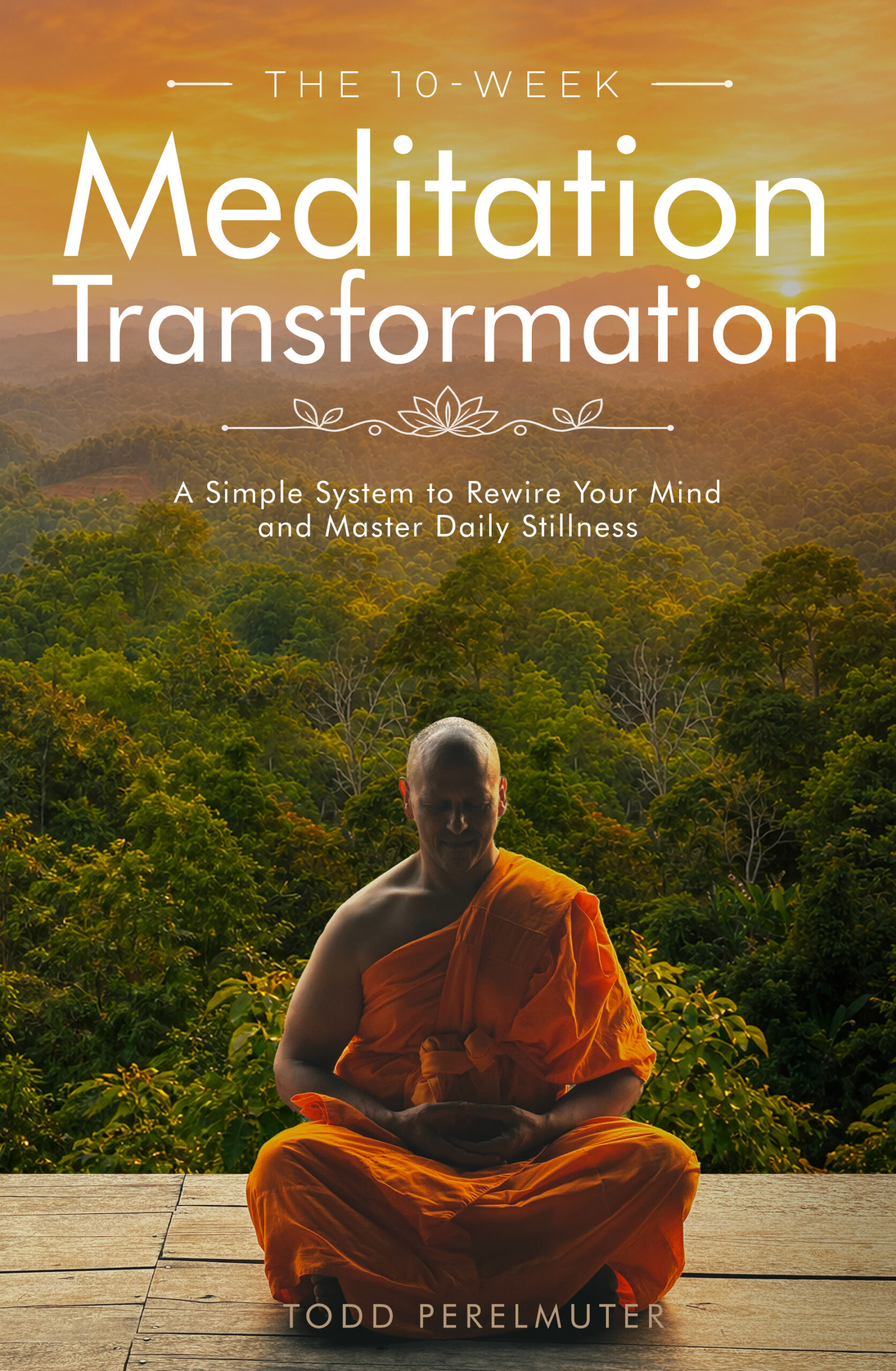
The Challenge Has Now Become a Book
The full 10-week meditation journey, along with expanded teachings and answers to additional reader questions, is now available as The 10-Week Meditation Challenge: A Simple System to Rewire Your Mind and Master Daily Stillness.
Get The Book On Amazon →