
Mantra Meditation vs Breath Meditation: Which One is Better?

meditation for all challenge

This article is part of the ongoing Meditation for All challenge. Subscribers to the free newsletter receive weekly guidance and a daily practice.

Depending on who you learn meditation from, you’re most likely going to be taught either mantra or breath meditation. Your instructor will likely tell you that their technique is the best. But what is the truth between mantra meditation vs breath meditation and which one is better?

I have spent thousands of hours practicing both. I’ve also pored over the scientific literature about both.

In this article, I’ll give you the definitive answer about what they are, how they’re different, and which one wins.

What are Mantra Meditation and Breath Meditation?

Mantra Meditation

Mantra meditation is a practice in which you sit with your eyes closed and silently repeat a mantra in your mind continuously. The mantra is usually a meaningless sound that allows your mind to focus without thinking. The most common mantra used is “Om.”

Mantra meditation creates a rare state of mind where we are fully present but not thinking. Often thoughts will pop into the mind during meditation. When this happens, we just gently bring our mind back to the mantra.

Breath Meditation

Breath meditation (aka breathing meditation, aka mindfulness meditation, aka vipassana meditation, aka awareness meditation, aka insight meditation) is the practice of observing your breath. Sitting with your eyes closed, you simply observe the sensations of your breath coming in and going out.

You may put your focus on your belly expanding and contracting. 

Or you may put your focus on your nose and upper lip/mustache area, sensing the nostrils flaring, the nose hairs bristling, the air brushing by your upper lip, and so on.

Another method is following the whole breath starting from it coming in the nose and going down the back of your throat, filling your belly, and then coming back out. 

No matter the area of focus, you’ll notice the cool air coming in, the warmer air coming out, the speed and depth of your breath, etc… There are infinite subtleties to become aware of as we raise our conscious awareness by observing the ever present and always changing breath.

Benefits of Mantra and Breath Meditation

While both meditation styles have countless benefits that can improve our lives, they do have some important differences.

Benefits of Mantra Meditation

By concentrating on a mantra, this type of meditation trains our mind to focus. Our patience and attention span increase from this sustained focus.

With greater focus, we become more able to pay attention to what really matters and set aside negative thoughts. We can overcome our painful past, set aside our worries about the future, and focus more on the here and now.

Mantra meditation is a deeply peaceful experience that allows our body to rest, recover, and it gives us more energy afterward.

This peaceful experience creates inner joy and boosts the happiness chemicals in our brain.

With more peace, fear and stress become diminished and our creativity and confidence grow exponentially.

Benefits of Breath Meditation

Focusing on the breath comes with all the same benefits as mantra meditation. Peace, focus, concentration, joy, creativity, rest and recovery all take place.

Because you’re focusing on your breath instead of a mantra though, there are some differences.

In mantra meditation, we focus on a sound in our head. With the breath, we observe reality as it truly is.

Through breath meditation, we become more aware of subtlety. We become more mindful and alert. Our minds become trained to rest in the here and now. We tap into a feeling and awareness beyond the thinking mind entirely.

Through this greater awareness, wisdom and compassion grow. It is through developing the power of observation without judgement that we become more identified with the awareness underlying our thoughts and experiences. We then see through the cloud of thoughts and are able to experience the true nature of reality.

Our once unconscious thoughts, habits, and behaviors become conscious choices. By becoming more aware of ourselves and others, our intelligence grows. After all, observation is the foundation of all science.

As we become more mindful and conscious of ourselves, our thoughts and words and deeds become aligned with our highest intentions.

We can sense even the subtlest emotional changes and we can witness them rather than being consumed by them.

To recap the mantra meditation vs breath meditation score so far: mantra gives us focus. But breath gives us focus and awareness.

So, Is Mantra or Breath Meditation Better?

This is like asking whether a sunrise or a sunset is better. Breath and mantra are two sides of the same coin. Both have incredible benefits and are absolutely miraculous practices that have changed my life.

But, there are differences that I think are very important to know. 

Mantra meditation tends to be much easier. It can be much more challenging to consistently be free from all thoughts by focusing on your breath, especially when we are used to only focusing on hyperstimulating entertainment like movies and video games. The breath can seem a bit boring by comparison.

My Meditation Story
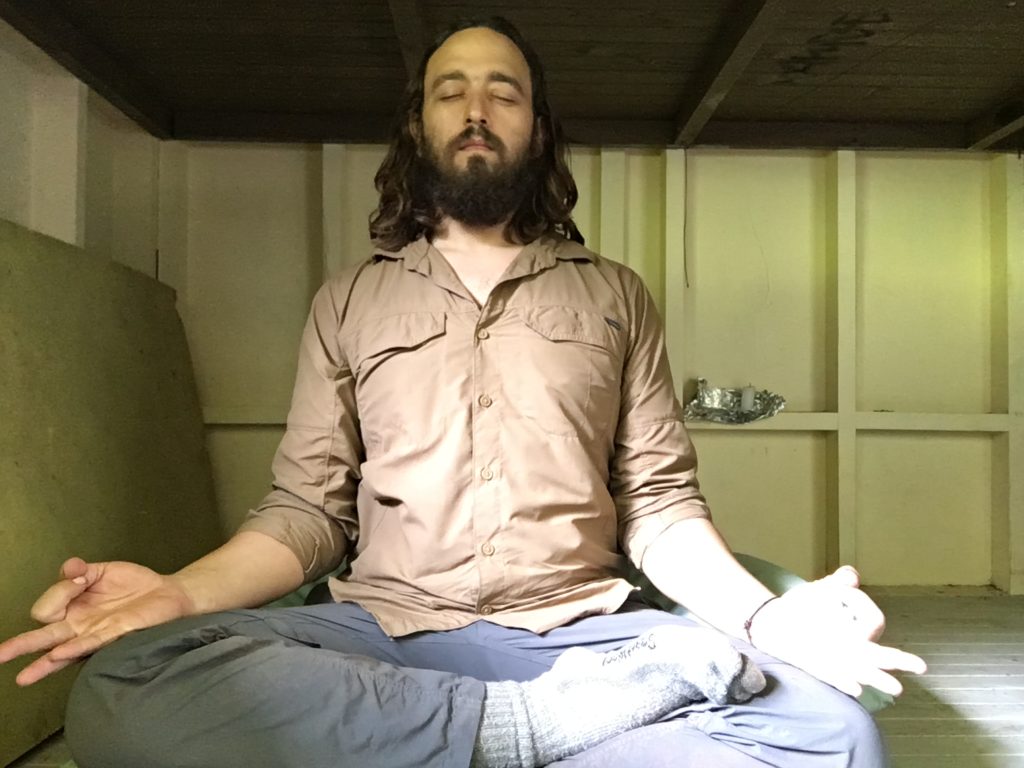
Meditation makes me sad

I spent years trying to develop a consistent, daily practice of breath meditation. I had done many meditation retreats and spent months in monasteries practicing. But as soon as I left those places, I stopped practicing daily meditation.

It was just too hard to practice breath meditation for me. My mind would wander. I’d get bored. My mind would scream, “This sucks!”

Then I took a mantra meditation course and I was blown away. It was very easy to keep my mind occupied with the mantra. The experience was pleasant and beautiful. Most importantly, it was something I could stick to.

And so I did mantra meditation for about 6 months straight without missing a day. I got all the benefits of focus, peace, joy, less stress. But I wanted more. I wanted mindfulness. I wanted the heightened awareness I had experienced in retreats and monasteries. I wanted wisdom and self-awareness.

That’s when I started to try breath meditation and to my surprise, it was a pleasure as well. I have now been doing breath meditation consistently for several years. That is simply what is right for me, for my goals, and for my level of experience and state of mind.
Mantra Meditation vs Breath Meditation: The Final Verdict

So, who wins the mantra meditation vs breath meditation debate? The answer is not one or the other. It’s both. Sometimes, I’ll still go back and do mantra meditation when my mind is too chaotic to focus on my breath. It’s much easier to focus the mind on one thought than it is to clear your head of all thoughts. This is why starting with mantra meditation is something I highly recommend. Once you’ve practiced focusing on one thought (mantra) for a few weeks or months, you can easily progress to no thoughts (breath).

Like working out at the gym, all that matters is doing it consistently. You won’t maintain the benefits otherwise. For this reason, starting with mantra meditation is highly recommended for new meditators. If you wish to move on to breath meditation, you will be much more prepared to do so. If you wish to stick with mantra meditation, that is also wonderful as the benefits are numerous and profound.

Einstein observed, “We cannot solve our problems with the same thinking we used when we created them.” If we wish to lift ourselves up from the mental activity that drags us down, we will not be able to do so by thinking our way out of it. We will need to fundamentally change how we see the world, how we see ourselves, and how we see our relationship to the universe around us. My book, Aloneness to Oneness, is a roadmap back to rediscovering the truth of our infinite nature and infinite potential.

Next, we’ll dive into why meditation brings up so many emotions.

The Meditation for All Challenge takes place in my newsletter, where I share:
• Weekly practices that accompany the reading
• Common difficulties and how to work with them
• Step-by-step instructions for meditation mastery

If you are reading this on the website, make sure you’re subscribed so you don’t miss the next step.

The Challenge Has Now Become a Book

meditation transformtion

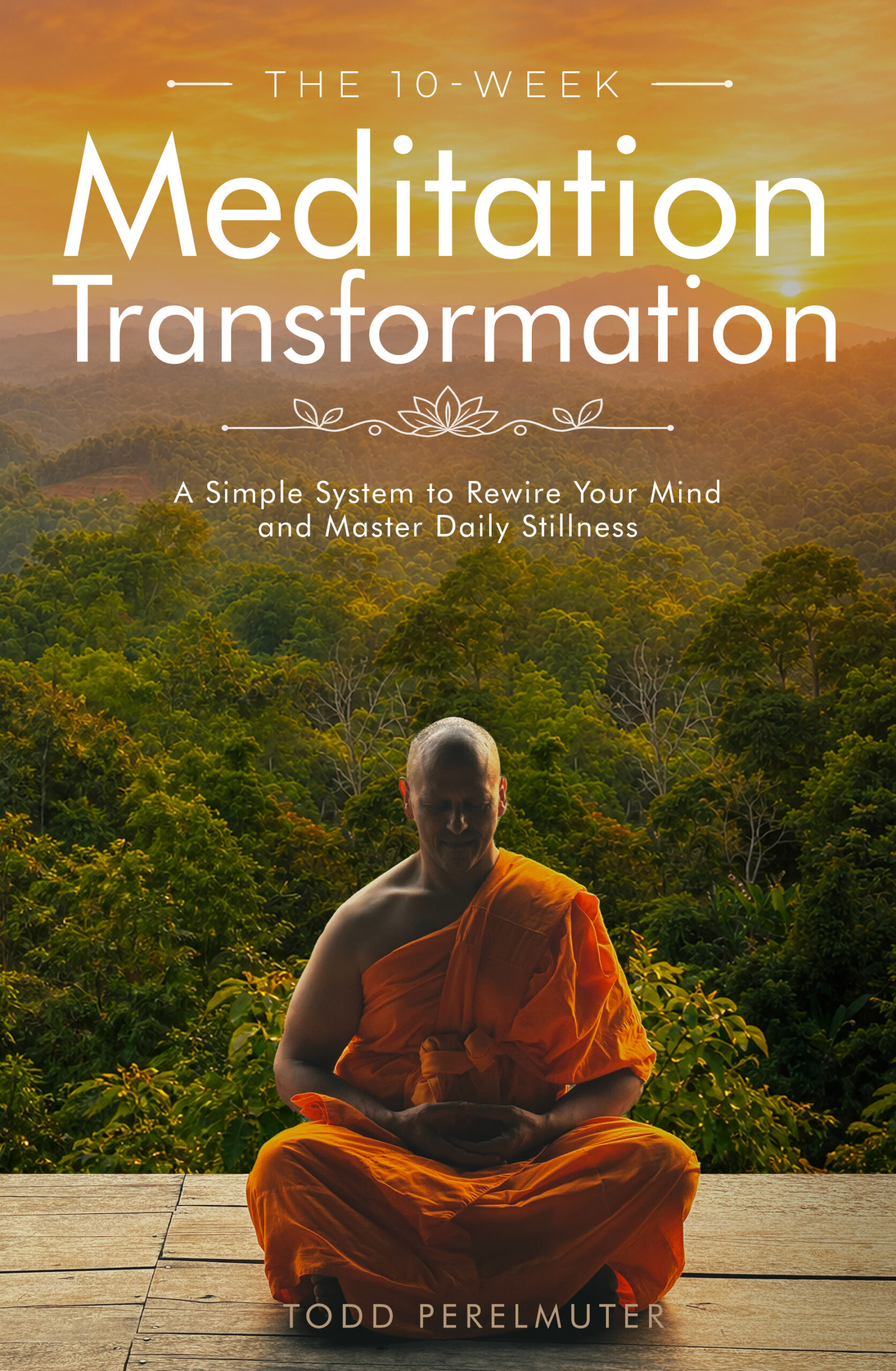
The full 10-week meditation journey, along with expanded teachings and answers to additional reader questions, is now available as

The 10-Week Meditation Challenge: A Simple System to Rewire Your Mind and Master Daily Stillness.

These 5 Minutes Could Shift Your Whole Week

Path to Peace Newsletter

This Post Has One Comment

  1. Toby

    Thank you for writing this article. You did a great job clarifying the two types of meditation and supported me in determining which one is appropriate based on my circumstances.

Comments are closed.